
China ends decades long preferential tariff certificates to its exporters
2021-12-03

A preferential tariff treatment for Chinese companies exporting products to 32 countries – including the 27 European Union (EU) members, the UK, Canada, Turkey, Ukraine and Liechtenstein – has come to an end, as the country’s export products are becoming more competitive.
China’s General Administration of Customs from December 1 stopped issuing certificates of origin under the Generalized System of Preference (GSP) for exports to the 32 countries, which no longer offer China GSP status, marking the end of the preferential tariff scheme for Chinese exporters.
The GSP system, used around the world, reduces levies on certain imports from developing countries and incentivizes exports from less developed economies, promoting economic growth. The system also helps to bring down the cost of import goods for donor economies.
Limited impact on China’s overall exports
The move is seen by many as a natural development as China’s products have become more competitive in global trade. Some companies said that the impact will be limited, compared to other problems like inflation.
“Preferential tariffs have been reduced progressively. So basically, we don’t expect any impacts on our industry base in China. We have a massive inflation of raw materials, transportation costs. These are the biggest impact,” said Ludovic Weber, CEO of Saint-Gobain Asia-Pacific, a company that mainly exports industrial materials like silicone sealant from China to America, Europe and Southeast Asia.
In fact, China has not received GSP privileges from those regions for many years. The EU ceased granting the certificate back in 2015, when China was elevated to an upper-middle-income country by the World Bank. Switzerland and Canada both canceled it in 2014.
China has been accorded the preferential tariff treatment by 40 nations since 1978, but currently only New Zealand, Australia and Norway still grant China GSP status.
Trade volume in the past few years has also provided exporters with some cushion against increased tariffs.
“From 2012 to 2019, the EU’s 28 member countries, and Turkey and Canada have gradually canceled their GSPs with China. But China’s exports to the EU have been steadily growing. In 2020, China became the EU’s largest trade partner. The cancellation of the GSP could wind up having a greater impact on companies in Europe,” said Ke Jing, associate research professor at the Shanghai Academy of Social Sciences’ Institute of International Relations.
Double-edged sword for labor-intensive sectors
Though the GSP cancellation might not have a material impact on the overall economy, some labor-intensive, lower-margin exporters will still be affected by the move.
“(With) GSP, the importers would just pay for 8 to 12 percent (of tariff). But if we go back to the normal terms, the percentage will rise to 15 or 25 percent. We are also anticipating a 10-percent increase in container shipment costs,” said Allen Wang, department manager at Shanghai Textile Decoration Corp. of Orient International Enterprise.
Wang expressed concerns as nearly 90 percent of his orders are from Europe and Canada. He expected his clients to offset the resultant higher costs by offering lower prices to suppliers.
However, experts believe that the move can be an opportunity for these exporters to upgrade themselves faster, as the cancellation of GSP will speed up companies’ innovation if they want to remain competitive.
China’s General Administration of Customs from December 1 stopped issuing certificates of origin under the Generalized System of Preference (GSP) for exports to the 32 countries, which no longer offer China GSP status, marking the end of the preferential tariff scheme for Chinese exporters.
The GSP system, used around the world, reduces levies on certain imports from developing countries and incentivizes exports from less developed economies, promoting economic growth. The system also helps to bring down the cost of import goods for donor economies.
Limited impact on China’s overall exports
The move is seen by many as a natural development as China’s products have become more competitive in global trade. Some companies said that the impact will be limited, compared to other problems like inflation.
“Preferential tariffs have been reduced progressively. So basically, we don’t expect any impacts on our industry base in China. We have a massive inflation of raw materials, transportation costs. These are the biggest impact,” said Ludovic Weber, CEO of Saint-Gobain Asia-Pacific, a company that mainly exports industrial materials like silicone sealant from China to America, Europe and Southeast Asia.
In fact, China has not received GSP privileges from those regions for many years. The EU ceased granting the certificate back in 2015, when China was elevated to an upper-middle-income country by the World Bank. Switzerland and Canada both canceled it in 2014.
China has been accorded the preferential tariff treatment by 40 nations since 1978, but currently only New Zealand, Australia and Norway still grant China GSP status.
Trade volume in the past few years has also provided exporters with some cushion against increased tariffs.
“From 2012 to 2019, the EU’s 28 member countries, and Turkey and Canada have gradually canceled their GSPs with China. But China’s exports to the EU have been steadily growing. In 2020, China became the EU’s largest trade partner. The cancellation of the GSP could wind up having a greater impact on companies in Europe,” said Ke Jing, associate research professor at the Shanghai Academy of Social Sciences’ Institute of International Relations.
Double-edged sword for labor-intensive sectors
Though the GSP cancellation might not have a material impact on the overall economy, some labor-intensive, lower-margin exporters will still be affected by the move.
“(With) GSP, the importers would just pay for 8 to 12 percent (of tariff). But if we go back to the normal terms, the percentage will rise to 15 or 25 percent. We are also anticipating a 10-percent increase in container shipment costs,” said Allen Wang, department manager at Shanghai Textile Decoration Corp. of Orient International Enterprise.
Wang expressed concerns as nearly 90 percent of his orders are from Europe and Canada. He expected his clients to offset the resultant higher costs by offering lower prices to suppliers.
However, experts believe that the move can be an opportunity for these exporters to upgrade themselves faster, as the cancellation of GSP will speed up companies’ innovation if they want to remain competitive.
2,280 Eyson life jackets delivered to fishermen's "doorsteps"
Lifejacket Market Forecast For 2022
Related Article
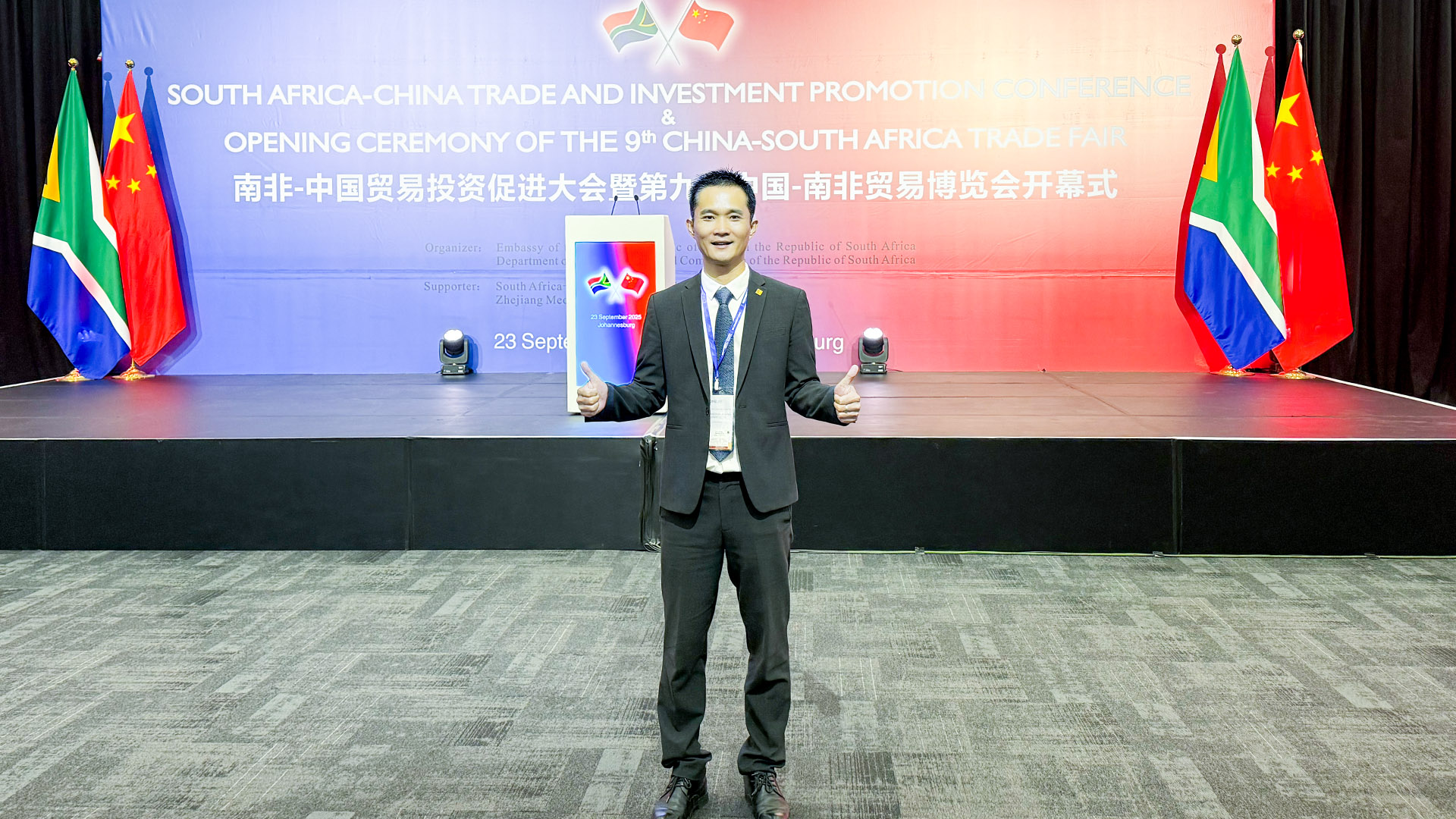
Dongguan Eyson Lifesaving Equipment Co., Ltd. Invited to Represent Chinese Suppliers at the Opening of the South Africa–China Trade & Investment Promotion Conference and the 9th China–South Africa Trade Expo

No, life jackets (PFDs) don’t have official expiry dates stamped on them. But—heavy usage, sun exposure, saltwater damage, and aging materials can degrade their safety over time. Foam loses buoyancy, seams weaken, and critical parts like CO2 cartridges (for inflatables) may fail.
Do Life Jackets Expire? The Truth About Buoyancy Lifespans ?️⚠️

⚠️ Lifespan Limits: What You MUST Know About Lifejackets The Emergency Sea Rescue Equipment Trade Federation (FSR) mandates strict lifespan guidelines for lifejackets due to: 1️⃣ Material Degradation: Foam/inflatable fabrics weaken over time, risking buoyancy failure. 2️⃣ Legal Compliance: Product liability laws require suppliers to set a maximum supported lifespan.
Why Lifejackets Expire in 10 Years? ? FSR Lifespan Laws Explained (Inflatable/Foam)

Eyson HV-AutoVest 150N – A cutting-edge automatic inflatable life jacket engineered for unmatched safety. Features instant hydrostatic-triggered inflation (3-second activation), 150N buoyancy, and SOLAS-grade reflective panels for 360° visibility. Built with lightweight ripstop nylon and CE/SOLAS/ISO certifications, it’s trusted by maritime crews, rescue teams, and outdoor enthusiasts worldwide.
Eyson HV-AutoVest 150N 275N